
Why Wisconsin Is America’s Dairy State: From Snowy Farms to Artisan Cheese
Posted by WisconsinMade on Feb 18th 2026
Why Wisconsin Is America’s Dairy State: From Snowy Farms to Artisan Cheese
There is something unmistakable about winter in Wisconsin.
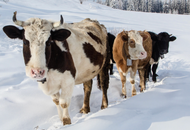
Snow blankets open fields. Dairy herds move steadily through crisp morning air. And behind every wedge of artisan cheese sits a story that begins long before it reaches the table.
Wisconsin is known as America’s Dairy State for good reason.
More than 1.2 million dairy cows call Wisconsin home. The state consistently ranks among the nation’s leaders in cheese production, crafting hundreds of varieties that win national and international awards year after year.
But numbers only tell part of the story.
Dairy Is a Way of Life in Wisconsin
Dairy farming in Wisconsin is often multigenerational. Families pass down knowledge, land, and craftsmanship over decades. The care given to herds through every season, including snowy winters, shapes the quality of the milk and ultimately the cheese produced from it.
Dairy cows are social animals. They form bonds within their herds. They thrive in environments built around consistency and care. The average dairy cow produces about six to seven gallons of milk per day, a steady rhythm that fuels Wisconsin’s artisan creameries.
This is not mass production without context. It is agriculture rooted in place.
From Farm to Artisan Table
Wisconsin produces more varieties of cheese than any other state in the country. Cheddar, gouda, brick, colby, blue, fresh curds, and specialty aged wheels all begin with milk from these farms.
What makes Wisconsin cheese distinct is not only scale. It is expertise.
Wisconsin is the only state that requires a licensed cheesemaker to produce cheese commercially. That tradition protects standards and preserves craft.
When you enjoy Wisconsin cheese, you are tasting generations of knowledge and a deep respect for dairy.
Why Snowy Mornings Matter
Winter is part of the story.
Dairy cows tolerate cold better than extreme heat. Fresh air and open space contribute to herd health. Snow covered pastures are not obstacles. They are simply another chapter in the cycle of dairy farming.
Those quiet, early mornings shape what eventually becomes a carefully aged wheel, a creamy spread, or a perfectly sharp cheddar.
Made in Wisconsin begins long before the packaging.
Celebrate the Dairy State
Whether you are building a cheese board, sending a gift, or simply enjoying a slice at home, Wisconsin dairy carries with it a sense of place and pride.
To celebrate the Dairy State, enjoy 10 percent off items in our Cheese and Dairy collection from February 18, 2026, through February 21, 2026, at midnight.
Use code DAIRY10 at checkout.
Explore Wisconsin cheese and dairy:
https://www.wisconsinmade.com/food/cheese-and-dairy/
FAQs
What makes Wisconsin the Dairy State?
Wisconsin earns its Dairy State title through a long history of dairy farming, over 1.2 million dairy cows, and leadership in cheese production and craftsmanship.
How much milk does a dairy cow produce per day?
The average dairy cow produces approximately six to seven gallons of milk per day, supporting the state’s wide variety of cheeses and dairy products.
Why is Wisconsin cheese considered high quality?
Wisconsin requires licensed cheesemakers to produce cheese commercially, maintaining high standards of craftsmanship, safety, and tradition.
Does winter affect dairy farming in Wisconsin?
Dairy cows are well adapted to cold climates. Winter conditions are part of Wisconsin’s agricultural cycle and do not stop dairy production.